
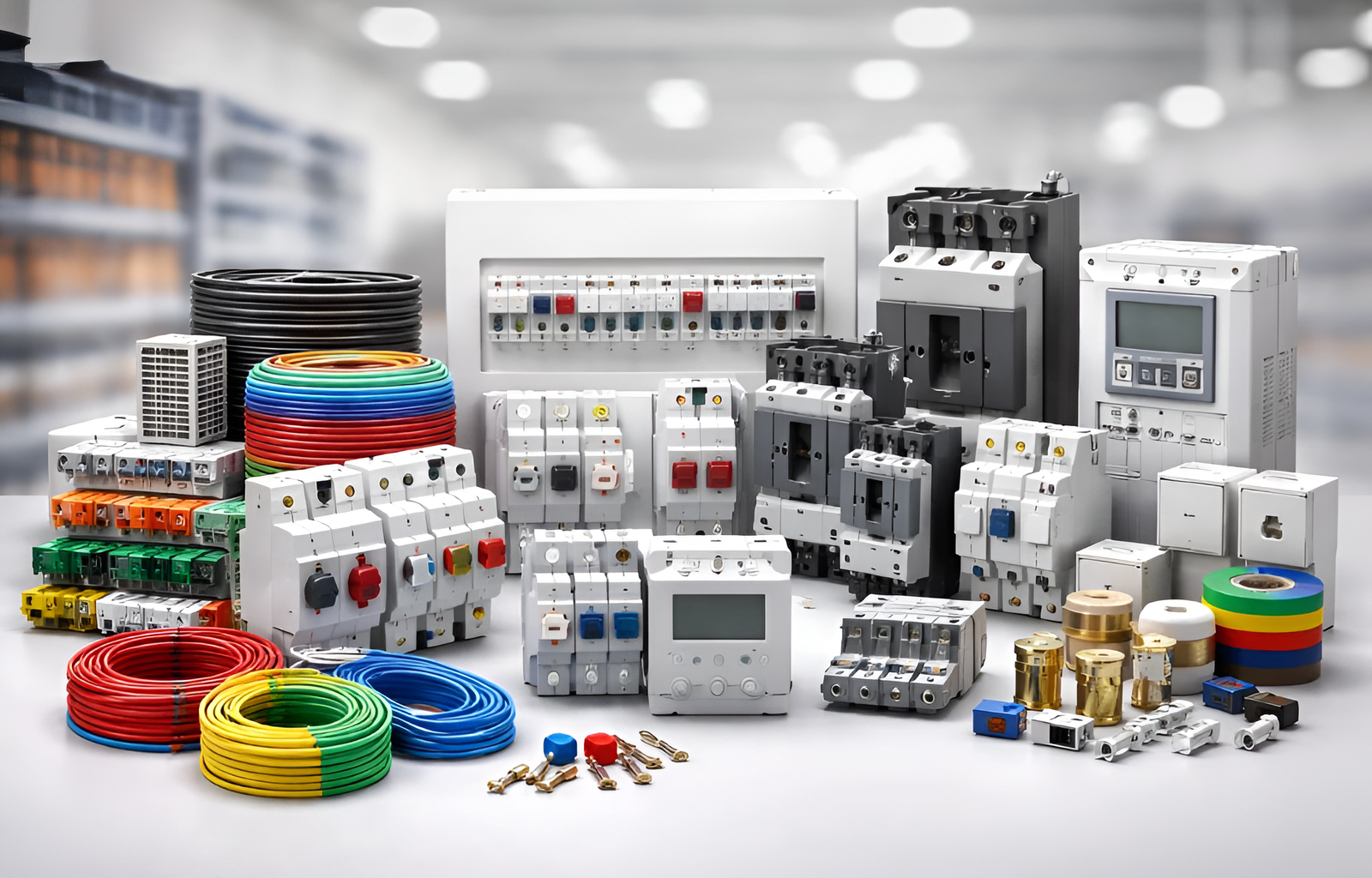
Every commercial building and industrial facility has unique power requirements. Managing those power loads safely and efficiently requires more than standard, off-the-shelf solutions. The Main Distribution Boards (MDBs) and Sub-Distribution Boards (SDBs) act as the central nervous system of your facility. When engineered correctly and maintained properly, they guarantee smooth operations for decades.
Why Custom Engineering Matters
A one-size-fits-all approach to electrical panels often leads to inefficient load balancing, overheating, and limited capacity for future expansion. Custom-engineered panel boards are designed around the specific single-line diagrams (SLDs) and load schedules of a project.
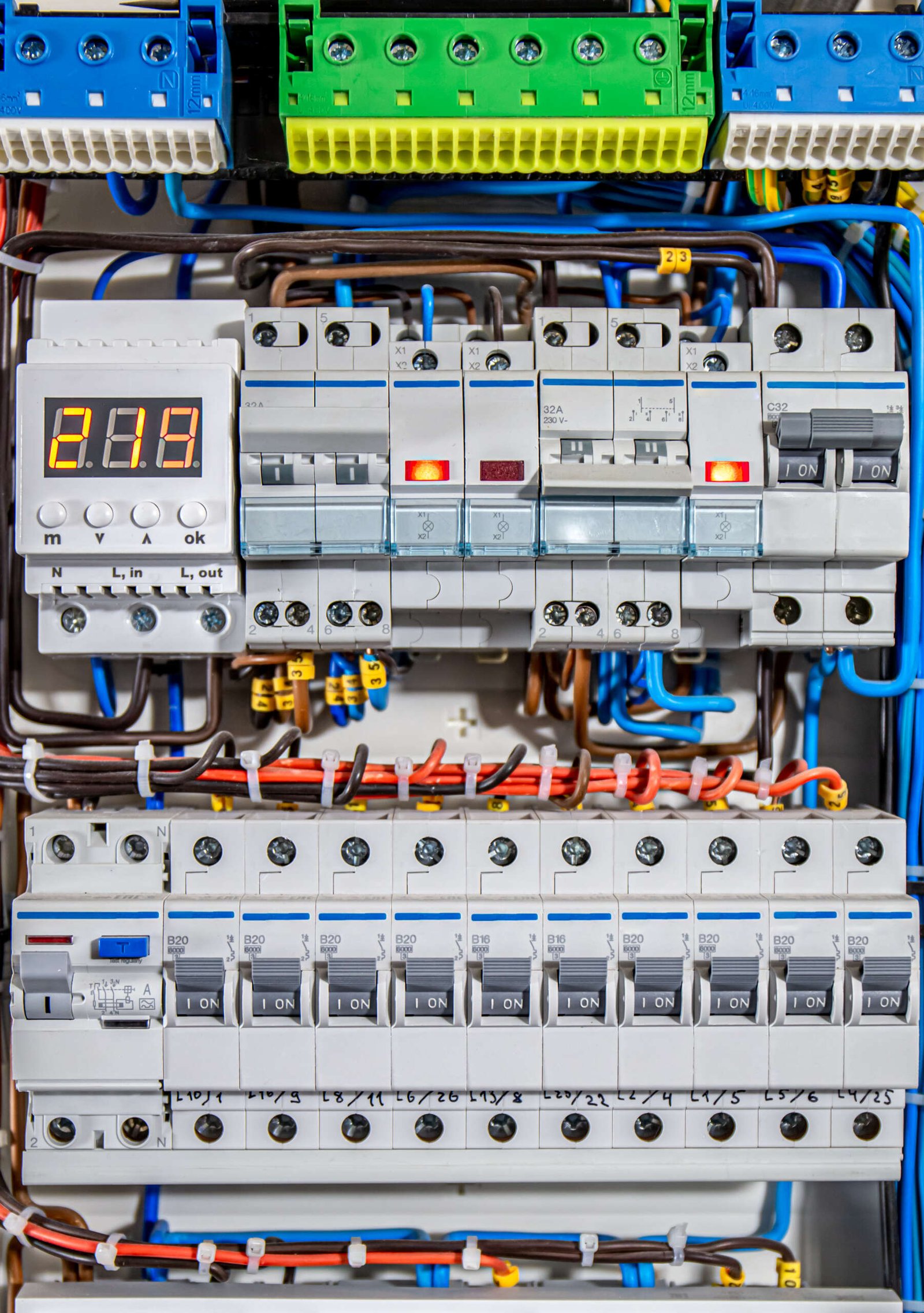
By custom-building MDBs, Motor Control Centers (MCCs), and automation panels, engineers can optimize the spatial layout, ensure precise copper busbar sizing, and integrate the exact protective components required—such as specific Variable Frequency Drives (VFDs) or Programmable Logic Controllers (PLCs) from trusted brands like LS Electric. This precision minimizes energy waste and maximizes the lifespan of the equipment.
The Lifecycle Approach: Beyond Installation
A flawlessly engineered panel board is only the first step. The true reliability of an electrical system is determined by how it is maintained. Many facilities operate on a reactive maintenance model—waiting for a component to fail before addressing it. This approach guarantees eventual downtime.
Transitioning to a proactive, preventive maintenance schedule ensures that critical infrastructure is routinely inspected for thermal hotspots, connection degradations, and component wear.
End-to-End Solutions
The most effective way to ensure the longevity of your electrical infrastructure is to work with a partner who understands the system from the inside out. Murad Active Solutions bridges the gap between engineering and field support. We don’t just custom-build and supply premium electrical panel boards; our certified field technicians provide the expert onsite installation and ongoing preventative maintenance required to keep those systems operating at peak efficiency.
By unifying the supply, assembly, and maintenance phases, facility managers gain a single, accountable partner dedicated to minimizing downtime and powering progress.
One Response
Hi, this is a comment.
To get started with moderating, editing, and deleting comments, please visit the Comments screen in the dashboard.
Commenter avatars come from Gravatar.